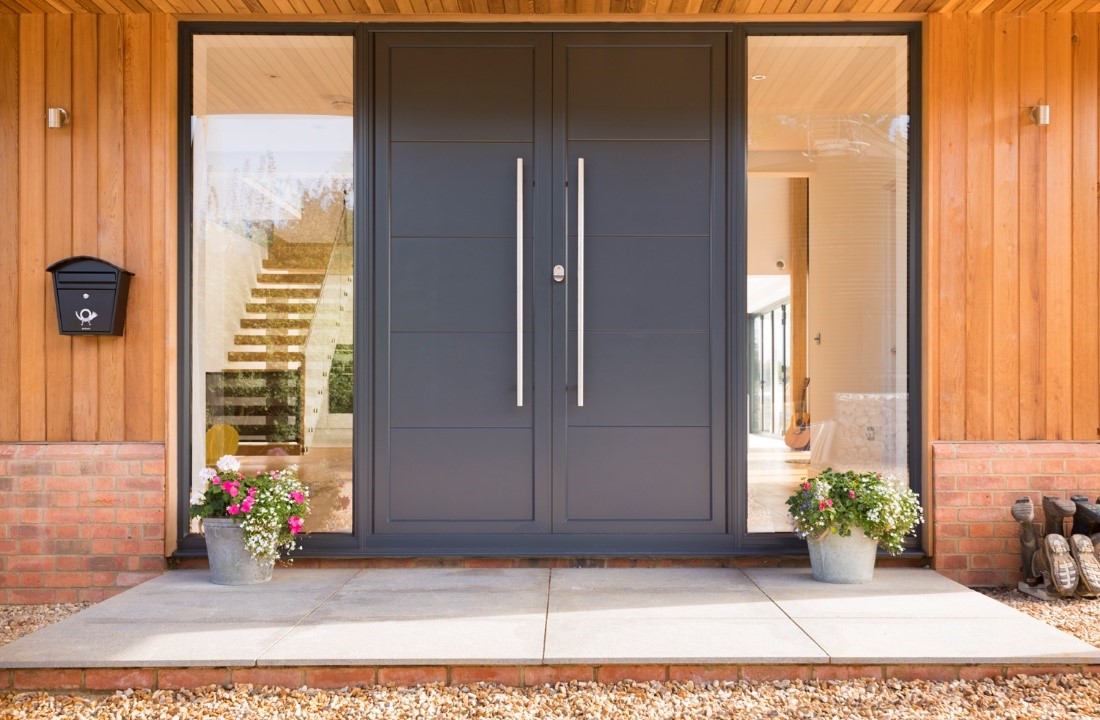
An external door is used far more often than most other building features. It is opened with shopping in hand, pushed against strong weather, locked late at night and expected to operate reliably for years. The variety of doors in Glasgow gives homeowners plenty of choice, but the best design is the one that suits the entrance, household routines and exposure of the property.
Start With How the Entrance Is Used
The front entrance may be the main route into one home but largely decorative in another, where family members usually enter through a side or back door. Usage should influence the material, hardware and layout selected.
A busy family entrance benefits from a robust finish that can tolerate frequent contact, wet coats, bags and pets. A wide opening may be helpful for prams, bicycles or bulky deliveries. Where space permits, a side panel can provide additional daylight without requiring a heavily glazed door leaf.
The direction of opening also needs thought. A door should not obstruct a narrow hallway, collide with furniture or make it difficult to reach switches and storage. External steps, porches and paths may affect whether an inward or outward arrangement is practical.
Threshold height is particularly important for anyone with reduced mobility. A low-threshold design can make access easier, although weather protection and drainage must still be considered carefully.
Match the Design to the Weather Exposure
Not every entrance experiences the same conditions. A sheltered door beneath a deep porch faces different demands from one exposed directly to driving rain and prevailing winds.
The door set should be installed squarely and sealed correctly around the frame. Even a high-quality product may perform poorly if gaps allow water or cold air to pass around its edges.
Drainage outside the entrance also matters. Paving should not direct water towards the threshold, and external ground levels should not bridge protective details at the base of the doorway. Persistent standing water can place unnecessary strain on seals and finishes.
Glazed sections should be specified with safety, privacy and thermal performance in mind. Clear glass can brighten a hallway, but it may expose more of the interior than the household expects. Obscured or decorative glazing can provide a compromise between light and privacy.
Choose Hardware for Practical Reasons
Door furniture is often selected mainly by appearance, yet handles, locks, hinges and letter plates all affect daily use.
A lever handle may be easier to operate than a knob for someone with limited grip strength. Pull handles can create a contemporary appearance, but the locking method should remain intuitive for everyone in the household.
The lock should suit the door construction and provide a secure, positive closure. Homeowners should understand how it operates from both sides and whether a key is required internally. This can affect convenience as well as emergency escape.
Letter plates and cat flaps interrupt the door’s insulated structure, so their positioning and specification deserve care. Poorly sealed openings may create draughts or allow rain penetration. Where parcels are frequently delivered, a separate secure delivery arrangement may be preferable to an oversized opening in the door.
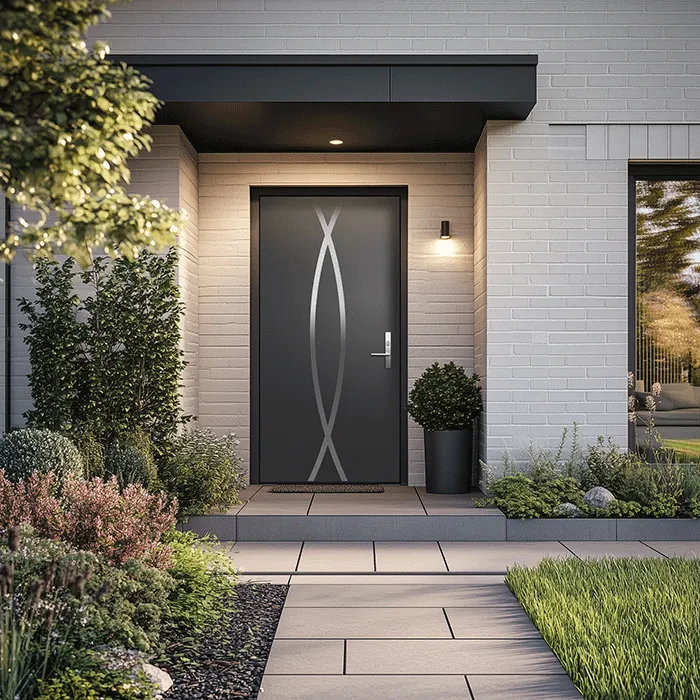
Hardware finishes should also be appropriate for external exposure. Coastal air, heavy rain and frequent handling can affect some surfaces more quickly than others.
Think Beyond the Front Entrance
Rear and side doors often receive less design attention, despite being used more frequently. They may connect kitchens to gardens, provide access to utility areas or serve as the everyday family entrance.
A glazed back door can improve natural light and help occupants see into the garden. French doors provide a wider opening for dining areas, while sliding or folding systems can connect larger living spaces to patios. Each option has different requirements for wall space, furniture placement and drainage.
Security should remain consistent across every entrance. Improving the front door while leaving an ageing rear door with weak hardware may simply move the most vulnerable point elsewhere.
The household should also consider future use. A door that works for current routines may become inconvenient if mobility needs change or a room is remodelled.
Judge the Complete Door Set
A door should be assessed as a complete system rather than as an attractive panel. Frame quality, glazing, locks, seals, threshold and installation all contribute to its performance.
Before ordering, check the dimensions, opening direction, colour, internal finish and exact hardware. These details are difficult or expensive to change once manufacturing has begun.
The most successful choice will feel straightforward in daily use. It will open smoothly, close securely and cope with the conditions around the entrance without demanding constant adjustment. Practical thinking at the specification stage is what turns a visually appealing door into a dependable part of the home.