Thailand’s push towards cleaner power has changed how businesses source electricity. One option gaining traction is the private PPA, or private power purchase agreement. This contract lets a company buy renewable electricity directly from a generator, often at a fixed price, over a set number of years. For many Thai firms, it offers a practical path to lower carbon output while managing long-term energy costs.
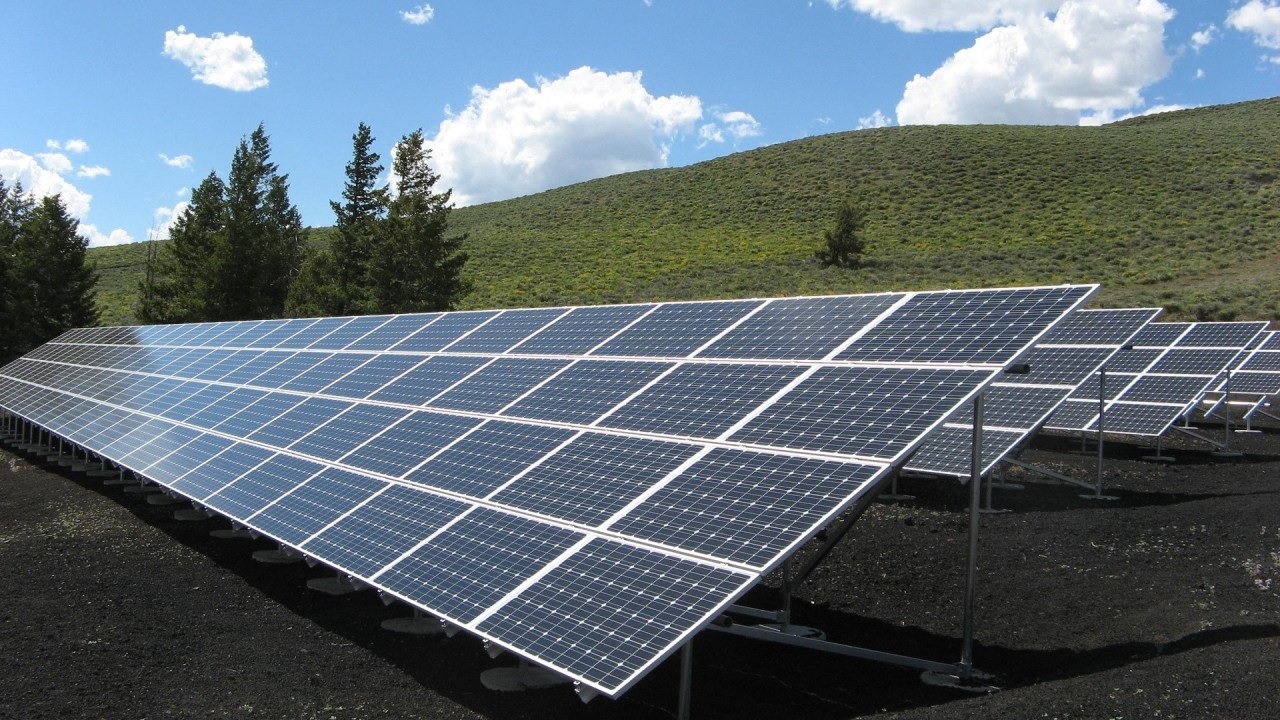
A private PPA differs from buying power through the national grid at standard tariffs. Instead, the buyer agrees terms directly with a solar or wind developer. The generator builds and operates the facility, and the buyer commits to purchasing the output. This arrangement gives both parties certainty. The developer secures steady revenue, and the buyer gains predictable pricing that shields it from fuel price swings.
In Thailand, interest in private PPAs has grown alongside the country’s renewable energy targets. The government aims to raise the share of clean power in the national mix over the coming decades. Rooftop solar, ground-mounted solar farms, and wind projects all support this goal. Businesses want to align with these targets, partly to meet export requirements from international buyers who now expect lower-carbon supply chains.
How private PPAs work in practice
There are two common structures. A physical PPA delivers electricity directly to the buyer’s site, often through a private wire or a nearby installation. This suits factories, warehouses, and large commercial buildings with roof space or adjacent land. A virtual PPA, sometimes called a financial PPA, settles the difference between the contract price and the market price without moving physical power. The buyer still receives renewable energy certificates that prove its clean electricity use.
Thai regulations shape which structures are viable. Direct sales of electricity between private parties face limits under current rules, so many arrangements rely on the same site or on schemes approved by regulators. Recent pilot programmes for direct power trading suggest the framework may open further, giving buyers more freedom to choose their supplier.
Benefits for Thai businesses
The appeal comes down to cost and reputation. Locking in a rate over ten or fifteen years protects budgets from volatile fossil fuel prices. It also demonstrates a clear environmental commitment, which matters to customers, investors, and regulators. Manufacturers supplying global brands increasingly need proof of renewable sourcing to keep contracts.
Beyond the financial case, private PPAs support Thailand’s wider decarbonisation aims. Every megawatt hour bought through such a deal reduces reliance on imported fuel and cuts emissions.
Points to weigh before signing
Contracts run for long periods, so buyers should assess their future demand carefully. Changes in production or relocation could affect the value of the agreement. Legal advice helps clarify obligations around performance, maintenance, and early termination. Understanding how local grid charges and taxes apply is also sensible.
For Thai organisations planning their energy strategy, private PPAs present a workable tool. As the regulatory picture evolves and clean technology costs fall, these agreements are likely to play a larger role in the country’s shift towards sustainable power.