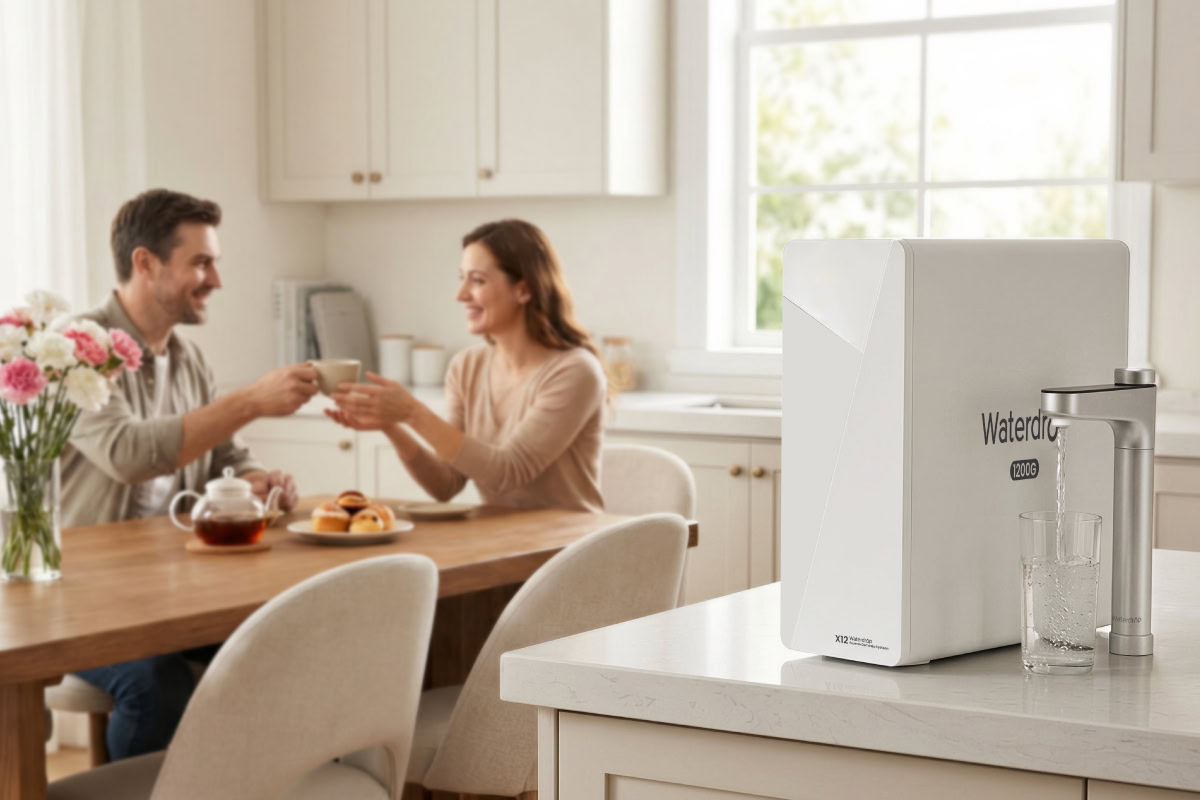
Drinking water is only one part of household use. Water may also be needed for tea, coffee, washing produce, preparing rice and making soups. A water purifier for your kitchen should therefore be chosen according to the household’s cooking habits, water quality, available space and willingness to maintain the system properly.
Begin With the Water Supply
The appropriate treatment method depends on what is present in the incoming water.
Taste, odour, sediment, hardness and microbiological concerns may require different filtration stages. A system should not be selected only because it uses the greatest number of filters.
Water testing or reliable local information can help identify the main issues. Sediment filtration may protect later components, while activated carbon can reduce selected tastes and odours.
Other technologies may be used for dissolved substances or additional treatment, but each has operating and maintenance requirements.
The household should understand which contaminants the system is designed to reduce and which it does not address. Clear performance information is more useful than broad claims of purity.
Decide Between Direct and Stored Water
Some systems treat water as it is dispensed, while others hold purified water in an internal tank.
Direct-flow designs can provide freshly treated water without storage, but they need enough treatment capacity and water pressure to meet demand. Tank systems can deliver water quickly, although the storage area requires hygienic management.
Households that cook frequently may use larger volumes over short periods. Filling pots, kettles and bottles should not become frustratingly slow.
The space beneath or beside the sink may also influence the choice. Tanks, filters and pumps require room as well as access for future replacement.
Noise can matter in open-plan homes. Pumps or automatic flushing may be noticeable if the system operates close to living areas.

Integrate the Purifier Into Kitchen Workflow
The dispensing point should be convenient for both drinking and cooking.
A separate tap can keep purified water distinct from ordinary washing water. Its position should allow tall pots and bottles to fit beneath it without interfering with the main tap.
Countertop systems need enough stable surface area and should remain away from heat, grease and frequent splashing. Built-in units can preserve worktop space but need careful installation.
Electrical sockets, drainage and water connections should comply with the equipment requirements. Improvised extensions or difficult-to-reach shut-off valves can create problems during maintenance or leaks.
The system should also suit the appearance and materials of the kitchen without allowing design to override service access.
Treat Maintenance as Part of Ownership
Filters lose effectiveness as they collect material, and replacement schedules should be followed.Usage, water condition and filter capacity all influence timing. The system may monitor flow or display a service reminder, but household members still need to respond when maintenance is due.
Replacement filters should be readily available, and the cost should be included when comparing systems. A low purchase price may be less attractive when proprietary filters are expensive or difficult to source.
Cleaning of taps, tanks and internal components may also be required. Servicing should be completed by appropriately trained personnel when the system contains pumps, electrical parts or pressurised connections.
Records of filter changes can help maintain consistent performance.The most suitable purifier becomes an ordinary, dependable part of the kitchen. When capacity, installation and maintenance match the household’s real habits, treated water remains convenient for both drinking and the meals prepared every day.