67
Minimalism in interior design is often misunderstood as cold, sparse, or clinical. In reality, modern minimalism is about intentionality. It is the practice of curating a living environment that elevates quality over quantity, eliminates visual clutter, and fosters a profound sense of tranquility. By paring back unnecessary items and focusing on subtle textures, natural light, and clean silhouettes, a minimalist home becomes a quiet retreat from the chaotic outside world.
Creating a minimalist space that feels warm and inviting rather than empty requires a careful balance of proportion, color, and texture. When done correctly, minimalist decor transforms any room into a sophisticated, highly functional sanctuary that exudes effortless elegance.
Understanding the Core Principles of Minimalist Design
At its heart, minimalism is driven by the concept that form follows function, but with an emphasis on visual restraint. Rather than filling every corner with decorative accents, minimalist design gives individual elements room to breathe.
-
Intentionality Over Accumulation: Every object placed within a minimalist room should serve a specific purpose, whether functional or deeply aesthetic. If a piece does not add value, utility, or genuine joy, it does not belong in the space.
-
Embracing Negative Space: Negative space, or empty space, is not a void waiting to be filled. It is an active design element that highlights the beauty of neighboring furniture pieces, architectural features, and artwork.
-
Quality Over Quantity: Investing in a few exceptional, well-crafted pieces creates a more timeless and refined atmosphere than filling a room with dozens of mass-produced, trendy accessories.
Establishing a Thoughtful and Restrained Color Palette
Color forms the foundation of spatial perception. In minimalist interiors, the color palette acts as a unifying canvas, anchoring different elements and creating a seamless visual flow throughout the home.
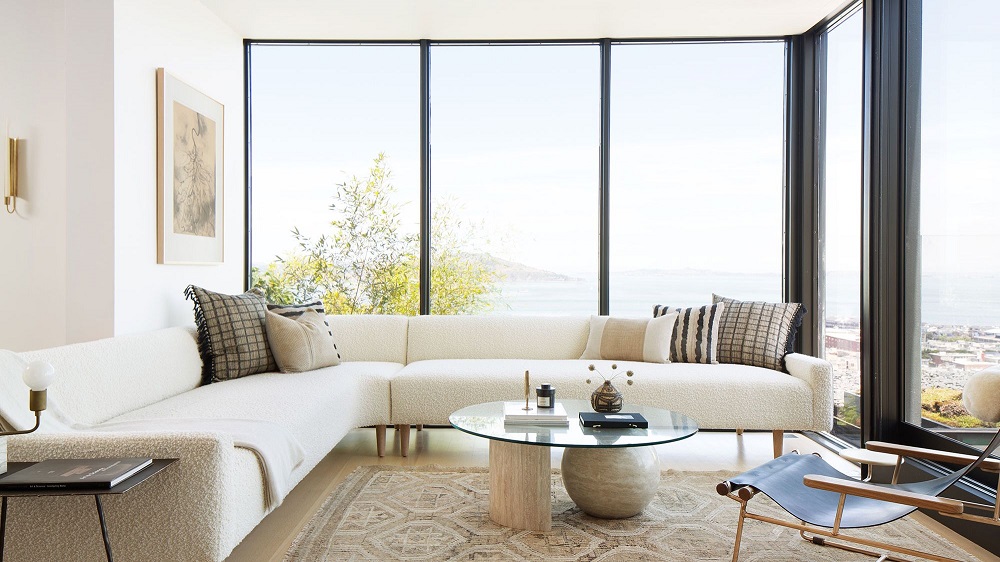
Neutral shades are the bedrock of minimalist design. Whites, creams, soft grays, warm beiges, and taupes reflect natural light and create an immediate perception of expansive space. To prevent a neutral palette from feeling sterile, layer varying tones of the same hue. For example, pair alabaster walls with a warm ivory linen sofa, oatmeal throw pillows, and an unbleached wool area rug.
While neutrals dominate, subtle muted accent tones can be introduced to add depth. Muted sage green, dusty terracotta, soft slate blue, or deep charcoal work well when applied sparingly through small ceramic pieces, framed artwork, or structural foliage.
Layering Rich Textures to Add Warmth and Depth
When color is kept simple, texture takes center stage as the primary tool for creating visual interest and warmth. Without varied textures, a minimalist room risks looking flat and uninspired.
-
Natural Wood Accents: Incorporating rich wood tones like white oak, walnut, or ash brings immediate organic warmth to a neutral space. A solid wood coffee table, floating oak shelves, or exposed wooden ceiling beams balance sleek, modern surfaces.
-
Tactile Fabrics: Combine different textile weaves across soft furnishings. Mix raw linen drapery, bouclé accent chairs, chunky knit throws, and smooth leather cushions to create a rich, tactile experience that invites touch.
-
Stone and Ceramic Elements: Balance soft textiles with natural matte stone like marble, travertine, or concrete. Handmade ceramic vases with subtle imperfections introduce an artisanal, grounded quality that enhances elegance without adding visual noise.
Curating Low-Profile and Functional Furniture
Furniture in a minimalist home should feature clean lines, simple silhouettes, and scaled proportions that suit the room size. Oversized, heavily detailed, or overly ornate furniture pieces tend to overwhelm small spaces and disrupt visual harmony.
Select low-profile furniture that sits lower to the ground. Low sofas, platform beds, and streamlined credenzas create higher visual ceilings, making rooms feel larger and airier. Floating furniture pieces, such as wall-mounted vanities, floating desks, and suspended nightstands, keep floor space visible, which significantly enhances the feeling of openness.
Multifunctional furniture is another key component of keeping spaces clutter-free. Ottoman coffee tables with concealed storage, beds with built-in under-mattress drawers, and extendable dining tables keep functional items hidden away while maintaining a clean aesthetic.
Mastering Light and Window Treatments
Light is one of the most transformative elements in minimalist design. Illuminating a room properly enhances natural architecture and elevates clean decor choices.
Maximize natural light by keeping window treatments as simple and light as possible. Heavy, dark drapes block sunlight and create visual weight. Instead, opt for floor-to-ceiling sheer linen panels, motorized woven shade blinds, or plain unlined cotton drapes that soften incoming sunlight while maintaining privacy.
For artificial illumination, layer lighting at different heights using clean-lined fixtures. Combine recessed architectural ceiling lights with understated floor lamps, sculptural table lamps, and hidden LED strip lighting under floating shelves or cabinet bases. Diffused, warm-toned light bulbs create an inviting atmosphere during evening hours without introducing harsh glare.
The Art of Intentional Decor and Editing
Decorating a minimalist home is an exercise in restraint. The goal is not to eliminate all decorative objects, but to display only those items that hold personal significance or exceptional visual value.
-
Sculptural Greenery: Skip busy floral arrangements in favor of single architectural branches or tall structural plants like fiddle-leaf figs, olive trees, or monstera stems in plain ceramic pots.
-
Statement Wall Art: Instead of creating a busy gallery wall filled with small frames, choose one large-scale piece of artwork. A single oversized canvas featuring abstract line work, subtle texturing, or minimalist black-and-white photography creates a striking focal point without cluttering the wall.
-
Concealed Storage Systems: Maintain clean surfaces by establishing designated home zones for everyday items. Use woven baskets, solid wooden boxes, and closed cabinetry to keep electronics, chargers, papers, and personal accessories entirely out of sight when not in use.
Maintaining a Serene Atmosphere Over Time
Achieving a minimalist space is an ongoing practice of maintenance rather than a one-time setup. As daily life unfolds, physical items naturally accumulate.
Practicing a daily reset routine keeps clutter from taking over. Spending ten minutes at the end of each day clearing counter surfaces, folding lap throws, and returning daily items to hidden storage preserves the calm, restored atmosphere of your home. Periodically editing your belongings ensures that your space remains true to the principles of minimalist living.
By focusing on clean lines, a warm neutral palette, rich tactile textures, and intentional furniture choices, you can curate a minimalist environment that feels serene, luxurious, and uniquely tailored to your lifestyle.
Frequently Asked Questions
How can I practice minimalist design if I live with kids or pets?
Practicing minimalism with children or pets involves creating smart, accessible, and durable storage systems. Use soft, heavy-duty woven baskets at floor level for quick toy cleanup, and select stain-resistant performance fabrics like performance velvet, leather, or treated linen for upholstered furniture. Keep high-touch decorative items on elevated floating shelves and dedicate closed lower cabinets to child- and pet-friendly items so the main living areas remain organized and functional.
Will a minimalist home always look cold and sterile?
A minimalist home only feels cold and sterile when it lacks warmth, organic materials, and tactile textures. By incorporating warm neutral colors like beige, cream, and warm taupe, alongside natural materials like raw wood, wool, linen, and brushed metals, a minimalist space feels exceptionally cozy, serene, and welcoming rather than clinical.
How do I choose the right large-scale artwork for a minimalist room?
When selecting large-scale artwork for a minimalist interior, focus on simplicity, scale, and subtle texture rather than bright, chaotic patterns. Look for oversized canvases with monochromatic brushstrokes, minimalist geometric line art, subtle watercolor washes, or fine-art architectural photography. Ensure the frame is simple, sleek, and proportioned to match the furniture sitting beneath it.
Can I use dark colors in a minimalist space?
Yes, dark colors can be used effectively in minimalist design when applied with intention. Deep shades like matte black, moody charcoal, navy, or rich espresso work well as grounding accents against light neutral backdrops. Using dark hues on a single accent feature, a sleek kitchen island, or individual furniture frames provides sharp contrast, defining structural lines without overwhelming the visual clarity of the room.
How do I manage electronics, TV screens, and tangled cords in a minimalist living room?
To keep technology from disrupting a minimalist aesthetic, utilize hidden cable management channels, cord concealers, and routed power strips inside media consoles. Consider using frame-style televisions that display classical or abstract art when powered off. Storing gaming consoles, media players, and remote controls inside closed, ventilated media cabinets keeps clutter entirely out of view.
What is the best way to transition a traditional cluttered room into a minimalist space?
Transitioning a traditional space into a minimalist one begins with a thorough decluttering process. Start by clearing everything out of the room except the foundational furniture pieces. Categorize loose items into keep, donate, and store groups, then gradually reintroduce only those elements that serve a clear practical purpose or bring genuine aesthetic value. Focus on surface clarity first, keeping countertops, coffee tables, and desks mostly empty.
How do I display sentimental items without breaking minimalist rules?
Sentimental items can easily exist in a minimalist home through curated display strategies. Instead of placing numerous small keepsakes on every open surface, select two or three prized items and display them within a dedicated niche, on a floating shelf, or inside a glass display box. Rotating sentimental collections seasonally allows you to enjoy all of your special pieces over time without overwhelming your living surfaces all at once.