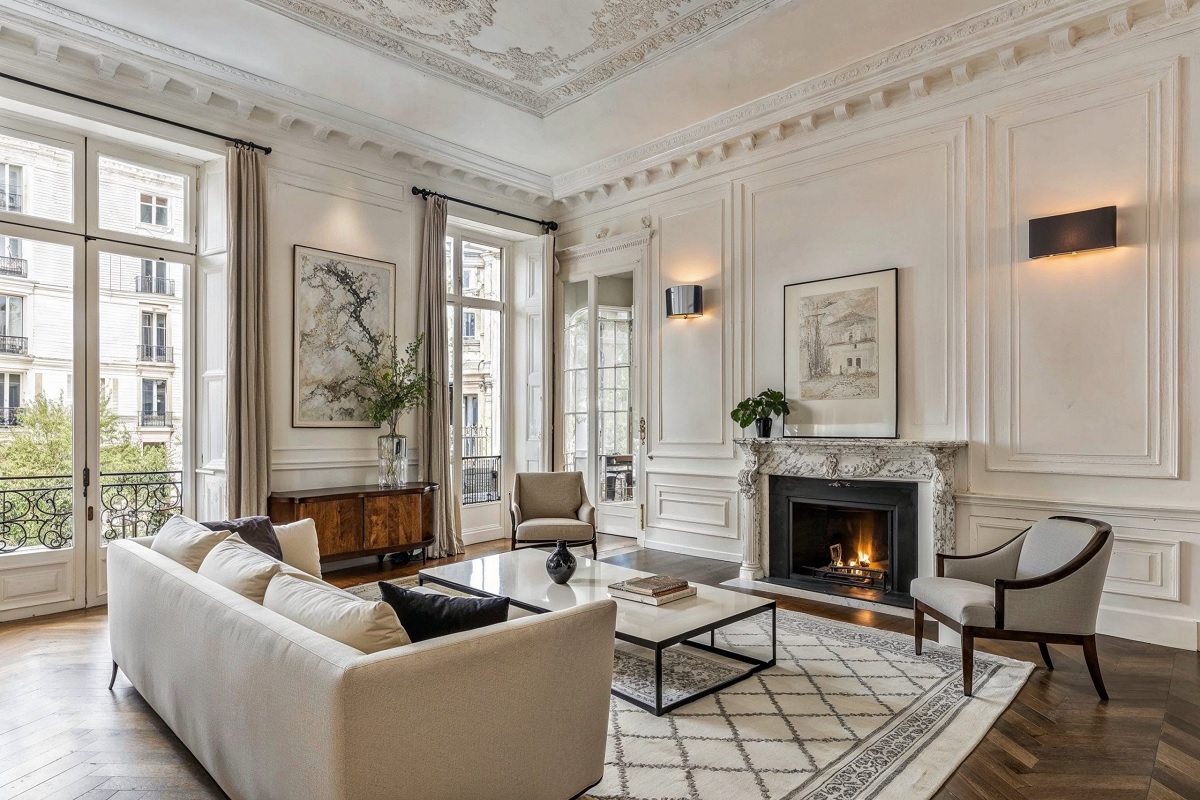
Decorative mouldings shape the character of a room in ways that furniture and paint cannot match. Across Thai homes, from Bangkok condos to teak houses in Chiang Mai, these details bring definition to walls, ceilings, and doorways. Suppliers such as https://www.basreliefmouldings.com/ show how carefully made mouldings can turn a plain surface into a feature that draws the eye and holds it.
Thailand’s climate presents real challenges for interior finishes. High humidity, seasonal rain, and warm temperatures test any material fixed to a wall. This is why durable mouldings matter so much. Resources like https://www.basreliefmouldings.com/ highlight products designed to resist moisture and warping, which keeps your interiors looking sharp year after year without constant repair.
Choosing the right material is the first step. Traditional Thai homes often favour timber, but modern options such as polyurethane and fibre-reinforced plaster offer strength with less maintenance. Guides from https://www.basreliefmouldings.com/ explain how these newer materials hold their shape in tropical conditions, resisting termites and swelling that plague natural wood in damp settings.
Where Mouldings Make a Difference
Crown mouldings soften the line where wall meets ceiling, adding a finished feel to living rooms and dining areas. In Thai homes with high ceilings, this detail helps balance the vertical space and creates a warmer atmosphere. Skirting boards protect the base of your walls from scuffs and cleaning splashes, a practical touch in busy households.
Panel mouldings and wainscoting bring texture to flat walls. You can arrange them in geometric patterns that echo traditional Thai motifs or keep them simple for a cleaner look. Door and window casings frame openings neatly, giving each room a sense of order and craftsmanship.
Blending Tradition with Modern Style
Thai design has always valued detail. Carved wood, layered patterns, and rich ornamentation appear in temples and old family homes across the country. Decorative mouldings let you carry that spirit into a contemporary interior without heavy renovation. A subtle ceiling rose or an ornate cornice can nod to heritage while sitting comfortably in a modern flat.
Colour choice ties everything together. White and cream mouldings suit bright, airy rooms and reflect light well in the tropical sun. Darker tones pair nicely with teak floors and traditional furnishings, echoing the warmth found in classic Thai interiors.
Caring for Your Mouldings
Longevity depends on both material and upkeep. Wipe mouldings with a soft, dry cloth to remove dust that gathers in warm air. In humid months, check for any signs of moisture behind fixtures and address them early. Quality synthetic mouldings need little attention, while timber benefits from a protective sealant to guard against damp.
Proper installation also counts. Secure fixing and good sealing prevent gaps where moisture or insects might enter. A well-fitted moulding stays firm through seasonal changes and keeps its clean lines for decades.
Decorative mouldings offer a simple way to lift the look of any Thai home. With the right material, thoughtful placement, and basic care, they add lasting beauty and value to your living space.