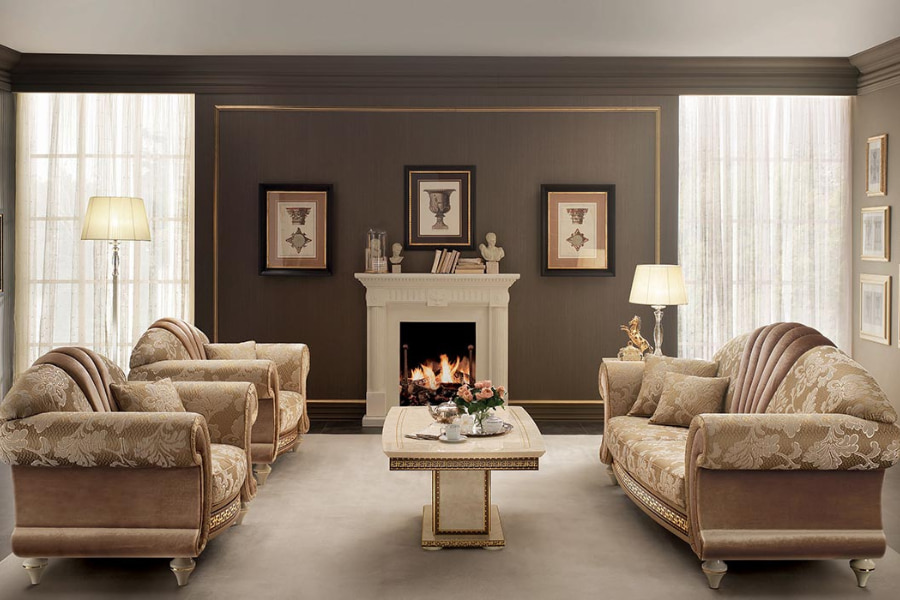
A sofa can look beautifully proportioned in a showroom but feel oversized undersized if placed into your own home. Showroom settings give furniture generous breathing space, while a living room has doors to open, curtains to draw and routes that people use throughout the day. The dimensions on a product sheet only begin to explain how a piece will occupy that space.
Among the italian furniture Bangkok showrooms display, there are substantial differences in seat depth, arm width and the height of a sofa’s base. Those details deserve as much attention as the upholstery colour. Two sofas of similar overall length can provide quite different amounts of usable seating.
Scale includes the space around a piece
Start with the room’s fixed features. Mark door swings, balcony access and the passage between the entrance and adjoining rooms on a floor plan. Positioning the sofa then becomes a decision about everyday movement as well as the view from the doorway.
A deep sectional may suit a room intended for reclining, but its return can cut across a route that looked generous when the room was empty. Separate chairs introduce different possibilities because their angles can be adjusted. Neither arrangement is inherently better; the useful question is how the household actually sits together.
Visual weight also changes with construction. A raised base exposes floor beneath the sofa, whereas upholstery extending close to the ground produces a fuller outline. Low backs preserve a different sightline across an open room from tall, enclosing ones. These effects are worth comparing in relation to nearby cabinetry and windows.
Minotti’s Dylan collection illustrates how a design can retain a recognisable character across different proportions. CHANINTR presents Dylan, Dylan Small and Dylan Low, with the smaller version intended for more intimate spaces. The name of a collection therefore tells you less than the dimensions of the precise configuration being considered.
Comfort depends on how you sit
Try the seat in the position you normally use at home. If you sit upright to read, notice whether your feet rest comfortably and whether the back supports you without several extra cushions. Someone who stretches out to watch television will be judging a different relationship between depth and support.
Stay seated long enough to notice pressure beneath your thighs and the effort involved in getting up. An initially soft cushion does not tell the whole story. Arm height matters too, especially when the sofa doubles as a place to read or talk for an hour.
Fabric samples should be considered beside the room’s existing materials and in its daylight. A textured neutral can appear distinctly warmer or cooler against timber, stone and painted walls. Take photographs of those existing finishes for reference.
Arranging tables and lighting
Place occasional tables where a seated person can reach them without leaning across an armrest. A large central table is not the only option; smaller side tables may leave a clearer route through the room.
Check lamp positions before finalising the arrangement. A reading chair needs useful light where it will actually stand, and trailing cables should not cross the passage to a balcony or doorway.