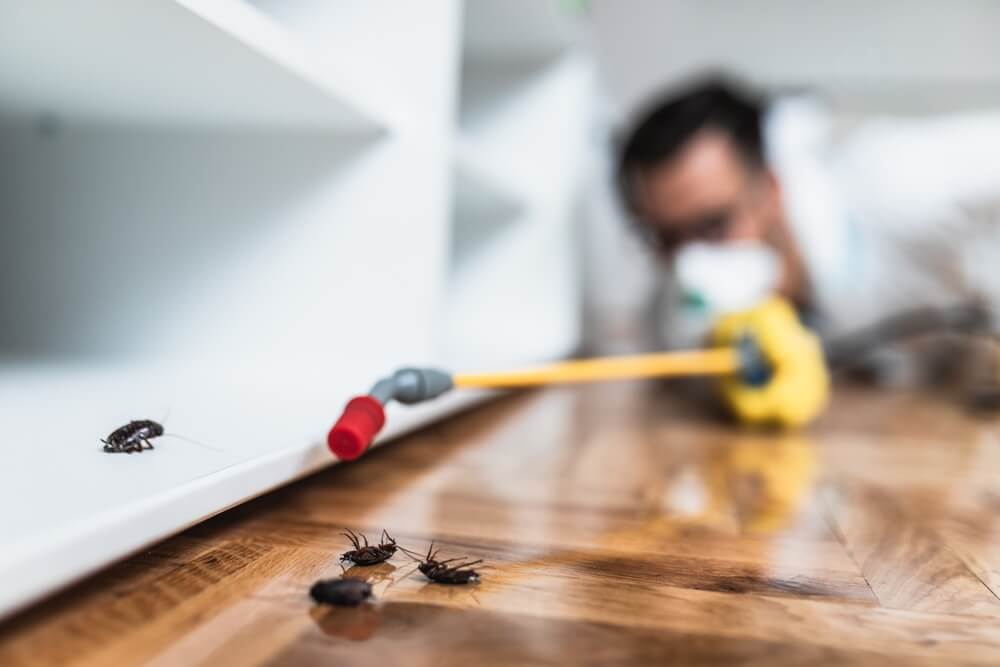
A well-maintained home provides comfort, safety, and peace of mind for every family. However, even the cleanest homes can become vulnerable to unwanted pests if regular preventive care is overlooked. Insects and rodents are always searching for places that offer food, water, and shelter. This is why consistent pest control should be part of every homeowner’s regular maintenance routine rather than something considered only when pests become visible.
Many people believe that pests only invade dirty homes, but this is not always true. Even spotless houses can experience pest problems if there are small entry points, moisture issues, or easily accessible food sources. Good housekeeping certainly helps, but combining it with regular pest control creates much stronger protection against infestations.
The kitchen is one of the first places homeowners should focus their attention. Since food is prepared and stored there every day, it naturally attracts pests if cleaning is neglected. Crumbs beneath appliances, spills on countertops, and open food packages all create opportunities for insects. Cleaning the kitchen thoroughly after meals removes many of the conditions that pests depend on.
Proper food storage also supports effective pest control. Dry foods should be transferred into airtight containers after opening. Fresh fruits and vegetables should be checked regularly and removed before they begin to spoil. Pet food should not remain exposed for long periods, especially overnight, as it can also attract unwanted visitors.
Water is another essential resource for pests. Small plumbing leaks beneath sinks or behind appliances often go unnoticed for weeks, creating damp environments that encourage insect activity. Homeowners should inspect plumbing regularly and repair leaks as soon as possible. Drying wet surfaces and improving ventilation in bathrooms and laundry rooms also help reduce moisture levels.
Some simple practices that strengthen home pest control include:
- Wipe kitchen counters and dining tables after every meal.
- Keep food sealed and remove household garbage regularly.
- Inspect the home for cracks, leaks, and signs of pest activity each month.
Storage areas deserve regular attention because they are often forgotten during routine cleaning. Basements, garages, attics, and utility rooms frequently contain cardboard boxes and unused household items. These quiet spaces provide excellent hiding places for pests. Organizing stored belongings and cleaning these areas regularly makes it much easier to notice early warning signs.
The condition of the home’s exterior also influences indoor pest activity. Small cracks around windows, doors, foundation walls, and utility pipes allow insects and rodents to enter with little effort. Checking these areas every few months and sealing visible openings creates an important barrier that helps keep pests outside.
A clean yard is another valuable part of home pest control. Overgrown bushes, tall grass, wood piles, and fallen leaves create shelter for pests near the house. When these outdoor hiding places are removed, pests are less likely to move indoors. Trimming vegetation and keeping outdoor spaces tidy improves both the appearance of the property and its protection against pests.
Seasonal maintenance is equally important. Spring and summer often bring increased insect activity, making it a good time to inspect window screens, doors, and outdoor areas. During autumn and winter, rodents may begin searching for warm places to stay. Preparing the home before seasonal changes helps reduce the chances of unwanted guests entering.
Regular inspections allow homeowners to discover problems before they become serious. Looking under sinks, inside cabinets, behind appliances, and around storage rooms may reveal droppings, damaged packaging, nesting materials, or other signs of pest activity. Early detection makes pest control more effective and helps avoid larger infestations.
Professional inspections can provide additional reassurance, especially for homeowners who want long-term protection. Pest control specialists can identify hidden entry points, locate early infestations, and recommend preventive measures that help keep the home protected throughout the year.
Consistent pest control also helps preserve the condition of the home itself. Furniture, wooden structures, flooring, stored belongings, and household supplies remain better protected when pests are prevented from entering. Small preventive efforts today often prevent expensive repairs later.
In conclusion, protecting a home from pests requires ongoing attention rather than occasional treatment. Regular cleaning, proper food storage, moisture control, organized storage, yard maintenance, and routine inspections all contribute to successful pest control. By following these simple habits throughout the year, homeowners can create a cleaner, healthier, and more comfortable living environment while keeping unwanted pests away.