78
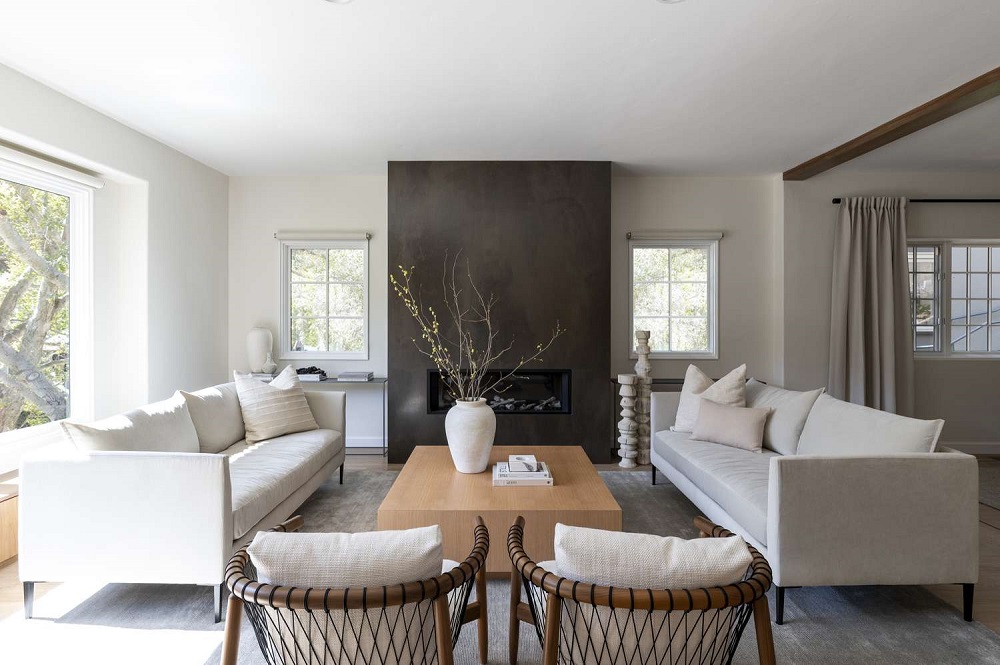
Achieving a calm, clutter-free home begins with the foundational choices made in interior furnishings. In many modern households, rooms become crowded not because of a lack of square footage, but because of an accumulation of heavy, single-purpose, or poorly scaled furniture. Minimalist furniture design offers a direct solution to this problem by prioritizing essential forms, intentional functionality, and clean visual lines.
Adopting minimalist furniture ideas does not mean living in a sparse or sterile environment. Instead, it is about selecting thoughtful pieces that serve clear daily needs while keeping visual noise to an absolute minimum. By choosing multipurpose items, low-profile silhouettes, and integrated storage solutions, you can curate a serene living space that feels spacious, elegant, and effortless to maintain.
Core Principles of Minimalist Furniture Design
Minimalist furniture is distinguished by its simplicity and purpose. Understanding the core design principles helps in selecting pieces that enhance the room rather than overcrowd it.
-
Function First: Every piece of furniture must fulfill a distinct practical role. If an item serves no utility or distinct aesthetic purpose, it creates unnecessary physical and visual weight.
-
Clean Lines and Simple Geometries: Minimalist designs feature straight lines, gentle curves, and simple structural frames. Intricate carvings, ornate detailing, and bulky trim are avoided in favor of streamlined profiles.
-
Proportion and Scale: Minimalist pieces are scaled to match the dimensions of the room. They maintain negative space around themselves, allowing light and air to circulate freely.
-
Material Integrity: Rather than relying on bold patterns or bright colors, minimalist furniture highlights natural material beauty, including solid wood, matte metal, stone, leather, and woven natural fibers.
Multipurpose Furniture for Living Spaces
Living rooms are often the most heavily used areas of a home, making them prime candidates for clutter buildup. Incorporating multipurpose furniture allows you to maintain full functionality while reducing the total number of items needed in the room.
-
Storage Ottomans and Benches: Replacing a traditional coffee table with a sleek, upholstered storage ottoman provides a comfortable footrest, extra seating, and a hidden compartment for throw blankets, board games, or seasonal items.
-
Modular Seating Systems: Sectional sofas with clean, low-back silhouettes and built-in side tables or under-seat storage compartments eliminate the need for extra end tables and bulky storage chests.
-
Nesting Tables: Set of nesting side tables can be stacked together compactly when not in use and expanded across the room when hosting guests. This flexibility keeps floor space clear during everyday routines.
Streamlined Bedroom Furniture Solutions
The bedroom should serve as a peaceful sanctuary dedicated to rest and recovery. Excess furniture and visible personal belongings can disrupt this environment, making smart furniture choices essential.
Platform beds featuring integrated built-in drawers offer substantial storage beneath the mattress without requiring a larger footprint. This eliminates the need for oversized dressers or plastic under-bed storage containers. Choosing a platform bed with an extended wooden or upholstered headboard that includes floating nightstands built directly into its sides keeps the floor underneath completely clear, expanding the perceived size of the room.
Wall-mounted armoires and built-in wardrobes with smooth, handle-free doors provide seamless clothing storage. Choosing wardrobe doors that match the color of the bedroom walls allows large storage units to blend visually into the architecture rather than stand out as heavy furniture pieces.
Smart Dining and Home Office Furniture
Dining areas and home offices frequently suffer from paper clutter, cords, and bulky seating arrangements. Selecting streamlined, flexible furniture keeps these workspaces organized and visually light.
In small dining spaces, drop-leaf or extendable dining tables offer variable capacity without permanently consuming floor area. Pair these tables with stackable chairs or armless dining chairs that tuck completely beneath the tabletop when not in use.
For home offices, floating wall-mounted desks provide a clean workspace without the bulk of traditional pedestal desks. Integrated cord management channels and concealed flip-down compartments hide laptops, power strips, and office supplies when the workday is complete.
Elevating Space with Floating and Wall-Mounted Designs
One of the most effective strategies in minimalist furniture design is raising furniture off the floor entirely. When floor space remains visible from wall to wall, the human brain perceives the room as significantly larger and less cluttered.
Floating credenzas, wall-hung media consoles, and suspended shelving units serve critical storage functions while maintaining an open, airy feel. In entryways, a wall-mounted console table paired with hidden shoe storage drawers keeps shoes and mail off the floor without creating a bottleneck near the front door.
Lifting furniture on slim, tapered legs—a characteristic common in mid-century modern and Scandinavian design—serves a similar purpose. Sofas, cabinets, and dressers elevated on thin wooden or metal legs allow light to pass underneath, reducing their visual mass within the room.
Maintaining Balance with Materials and Textures
When furniture forms are kept simple, materials and tactile textures become the primary drivers of visual warmth and interest. A room furnished entirely in smooth, monochromatic synthetic materials can feel cold, whereas natural materials add depth and character.
Combining a matte black metal dining table frame with warm oak dining chairs creates an appealing contrast without adding physical clutter. Similarly, pairing a smooth linen sofa with a raw stone side table and a textured wool rug creates a rich sensory experience that feels cozy yet uncluttered.
Stick to a cohesive, restrained material palette throughout the home. Limiting a space to two or three primary materials—such as light oak, matte steel, and neutral linen—ensures that newly added furniture pieces harmonize with existing decor.
Frequently Asked Questions
What are the best minimalist furniture options for extremely narrow entryways?
Narrow entryways benefit most from wall-mounted or shallow-depth furniture. Floating entry consoles with slim drawers provide a surface for keys and mail without taking up floor space. Narrow shoe cabinets with flip-down doors keep footwear organized within a frame that extends only six to eight inches from the wall, keeping the primary walkway clear.
How can I make a minimalist living room feel warm without adding decorative clutter?
Warmth in a minimalist living room comes from texture, natural materials, and warm lighting rather than additional objects. Choose furniture crafted from warm-toned woods like walnut or oak, select tactile upholstery fabrics like bouclé or textured linen, and layer natural wool rugs. Incorporating warm-toned, indirect light sources like concealed LED strips or floor lamps also adds cozy ambience.
Is minimalist furniture suitable for families with young children?
Yes, minimalist furniture works exceptionally well for families when safety and storage are prioritized. Minimalist designs favor clean lines and soft, rounded corners that are inherently safer for young children. Choosing storage benches, low platform beds with drawers, and performance fabrics that resist stains allows families to keep toys and daily items hidden away while maintaining an easy-to-clean environment.
How do I determine if a piece of furniture is properly scaled for a small room?
A piece of furniture is properly scaled when it allows at least two to three feet of open walking clearance around its perimeter. Additionally, low-profile furniture that sits closer to the ground leaves more vertical space open between the top of the furniture and the ceiling, making low-ceilinged or small rooms feel taller and roomier.
What is the difference between Scandinavian and Minimalist furniture styles?
While both styles emphasize simplicity and functionality, Scandinavian design heavily incorporates soft organic shapes, light-toned woods like birch and ash, and cozy textiles designed to maximize light during long winters. Minimalist furniture can encompass Scandinavian elements, but it often leans toward geometric forms, a stricter neutral palette, and industrial materials like steel, glass, and concrete.
How can I transition from traditional heavy furniture to a minimalist layout on a budget?
Transitioning on a budget starts with editing rather than immediate replacement. Remove non-essential secondary furniture pieces, such as excess accent chairs or unnecessary end tables. Refinish or paint existing heavy wood furniture in light, matte neutral shades, or replace heavy wooden cabinet legs with slim metal legs. When purchasing new items, invest first in key multipurpose pieces like a storage bed or an extendable table.
How do I hide power cords and cables around minimalist media consoles?
To maintain clean visual lines around media consoles, utilize built-in cable management channels, adhesive cord clips along the back legs of furniture, and hollow fabric wire sleeves. Selecting media units with slotted rear panels allows you to route all power strips and device cables directly inside the cabinet, keeping cords completely invisible from the seating area.